

Getting people excited about your event starts long before event day arrives. Social media gives event organizers a powerful way to build anticipation, connect with attendees and keep the conversation going long after the event is over. Whether you’re promoting a conference, company retreat, fundraiser or community event, the right social media strategy can help boost attendance and create a more engaging experience for everyone involved.
Before diving into specific social media tactics, here are a few tips to help you make the most of your efforts.
Start by identifying what success looks like for your event. Are you focused on increasing registrations, boosting attendance, encouraging audience participation or extending the event’s reach? Understanding your primary objectives will help determine which social media tactics and platforms are most effective.
Different audiences engage with social media in different ways. Consider where your attendees spend their time online and what type of content resonates with them. A professional audience may be more active on LinkedIn, while community events or social gatherings may benefit from platforms like Instagram, Facebook or TikTok.
 Develop a content plan
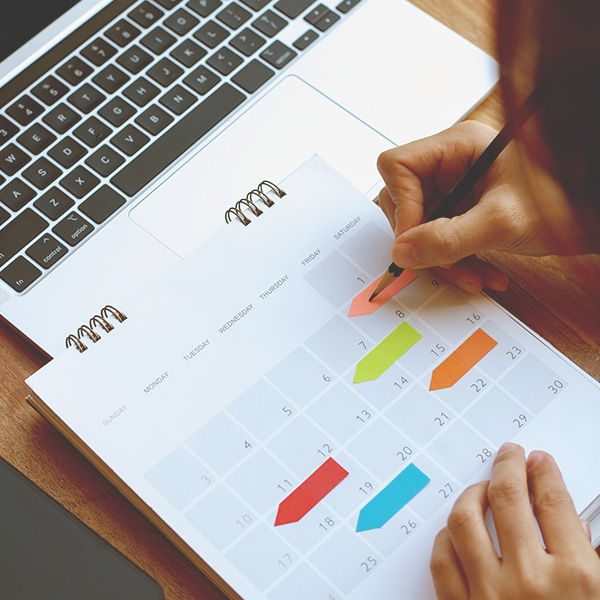
Creating a content calendar before your event helps ensure consistent communication. Plan a mix of promotional posts, speaker or guest spotlights, behind-the-scenes content, countdowns and attendee reminders to keep your event top of mind leading up to the big day.
Social media works best when it creates conversations, not just announcements. Use polls, question stickers, contests and interactive posts to encourage attendees to engage with your event content and share it with their own networks.
Consistent branding across your social channels helps create recognition and professionalism. Use event-specific graphics, hashtags and messaging to make it easy for attendees to follow updates and participate in conversations surrounding the event.
With those tips in mind, here are some effective ways to use social media throughout the event lifecycle.
Building anticipation is one of the most effective ways to drive attendance. Share teaser content, countdown posts, speaker announcements, venue previews and behind-the-scenes updates to generate excitement. Consistent promotion helps keep your event visible and encourages early registrations.
A dedicated event hashtag helps centralize conversations and makes it easy for attendees to find related content. Promote the hashtag across all marketing materials, registration pages, emails and social posts to encourage participation before, during and after the event.
Highlighting keynote speakers, performers, sponsors or unique event experiences gives potential attendees a reason to engage and register. Consider sharing short interviews, fun facts or preview videos to introduce key participants and build interest.
 Encourage User-Generated Content
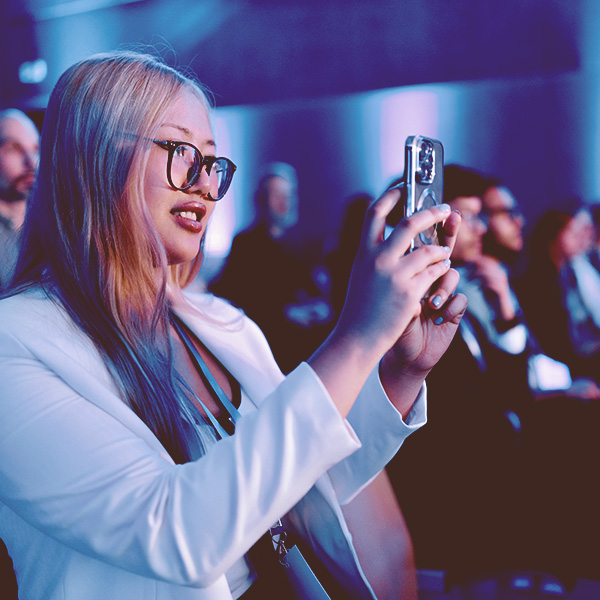
Attendees often become your best promoters. Encourage participants to share photos, videos and experiences using your event hashtag. User-generated content expands your event’s reach and creates authentic social proof that can encourage additional engagement.
Live updates, stories and short video clips help keep both attendees and online audiences connected. Share event highlights, audience reactions, speaker moments and behind-the-scenes content throughout the day to maintain momentum and encourage participation.
Social media engagement shouldn’t end when the event concludes. Share event recaps, photo galleries, key takeaways, testimonials and highlight videos to continue the conversation. Post-event content helps reinforce the value of the experience and builds anticipation for future events.
Social media doesn’t have to be a separate part of your event plan. When used strategically, it enhances visibility, strengthens attendee engagement and creates opportunities for connection that extend well beyond the event itself. By creating meaningful content and encouraging participation at every stage, you can maximize both attendance and impact.